Featured Image

The Importance of Maintaining Your Co-60 Sources

Cobalt‑60 (Co‑60) exposure devices used in industrial radiography are engineered for long‑term operation and reliability. While many devices and source assemblies are rated for a minimum service life of approximately ten years, it is common for Co‑60 exposure devices and source assemblies to remain in service for 15 to 20 years or longer. Because of this extended operational lifespan, consistent and proper preventative maintenance is essential to ensure safe operation, maintain mechanical integrity, and reduce the risk of overexposure and contamination incidents.

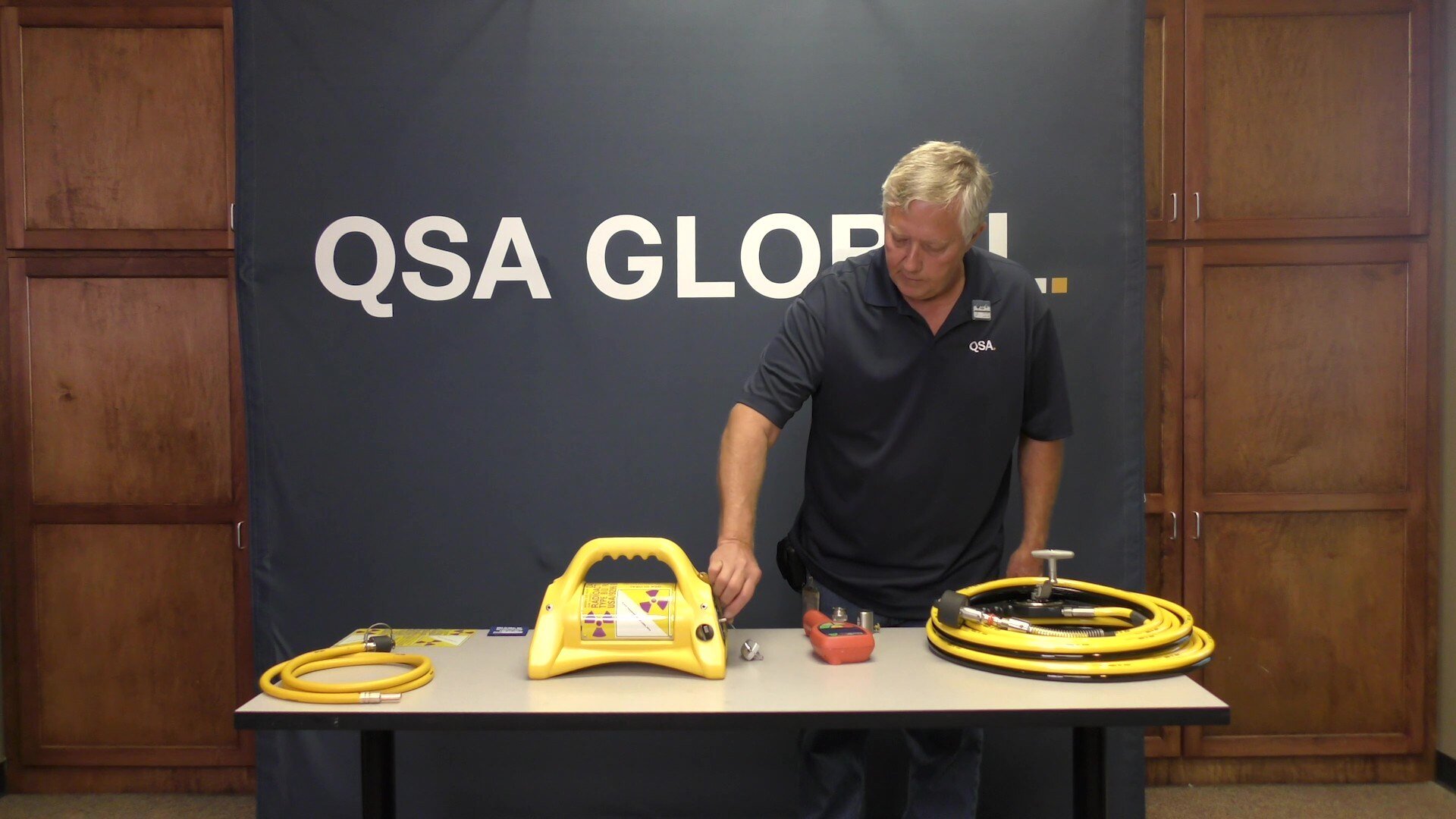
QSA Global establishes requirements for periodic inspection, cleaning, lubrication, and maintenance of devices, drive cables and guide tubes. However, these maintenance requirements are not always followed. When routine maintenance is neglected, the system becomes increasingly susceptible to internal material accumulation, increased friction, and excessive wear, all of which can compromise proper source of movement and exposure control.

Risk of Excessive Wear and Internal Accumulation

Inadequate cleaning and lubrication of the drive cable allow debris, corrosion products, and environmental contaminants to build up inside the projector S‑tube and connected guide tubes. This issue is amplified in harsh operating environments such as foundries, power plants, refineries, or outdoor job sites where sand, dust, or fly ash is present. QSA Global has documented that insufficient lubrication and poor maintenance practices directly contribute to unusual and excessive wear on device S-tube, Co‑60 source connectors and source capsules, particularly in older sources returned from service.

Improper guide tube installation further compounds the problem. Guide tubes installed with short radii or extreme bends significantly increase friction along the source travel path. When combined with poor maintenance practices, these conditions accelerate wear and increase resistance to source movement within the guide tube.

Impact on Source Movement and Overexposure Risk

A properly maintained and lubricated remote control drive cable performs a critical safety function beyond simple mechanical operation. Each movement of a clean, lubricated drive cable deposits a thin, protective layer of grease along the internal surfaces of the projector S‑tube and attached guide tubes. This lubrication minimizes friction between the source assembly and the internal S-tube surface, allowing smooth and predictable source travel.

When the drive cable lubrication is absent, insufficient, the source assembly is forced to travel against dry internal surfaces, leading to progressive wear of the source capsule, the source assembly connector and the exposure device's s-tube. QSA Global has identified that operating a dry drive cable can cause permanent internal damage to the S‑tube, and once this damage occurs, excessive source capsule wear may continue even after proper lubrication is restored.

Increased friction within the system elevates the risk of:

  • Increased and accelerated the S-tube and source assembly wear
  • Radioactive contamination
  • Source hang‑ups within the guide tube
  • Increased force required by the operator
  • Extended radiation exposure travel during operations
  • Emergency source retrieval situation

All these conditions increase the potential for overexposure and contamination to personnel.

Importance of Rotating the Female Source Connector 90 Degrees

An additional and often overlooked preventative maintenance practice is the periodic rotation of the Female Source connector by 90 degrees. The Female Source connector represents one of the highest mechanical stress points in the source travel path due to the abrupt directional change imposed on the source assembly and drive cable during every exposure cycle.

When the female source connector remains in a fixed orientation for long periods of service, internal wear becomes concentrated along the same contact points. By rotating the source connector 90 degrees weekly, the internal wear pattern is redistributed across a different surface area. This practice helps evenly distribute mechanical stress, reduces localized damage, and significantly extends the service life of the component.

Given the extended service life of Co‑60 exposure devices, preventative maintenance is essential to long‑term reliability and radiation safety. Failure to follow manufacturer required maintenance practices including drive cable lubrication, guide tube inspection, and source rotation significantly increases the risk of excessive component wear, increased friction, and abnormal source movement.