
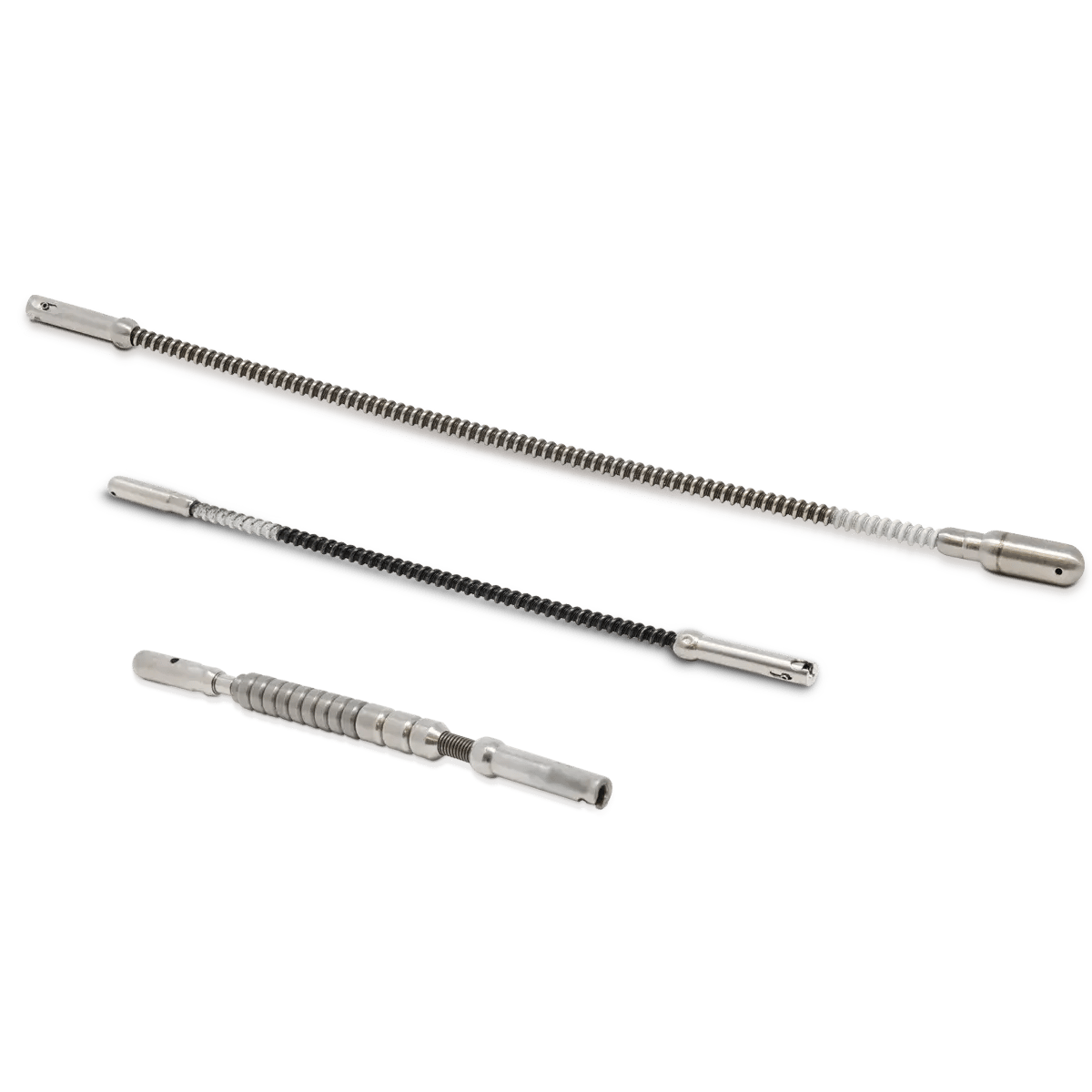
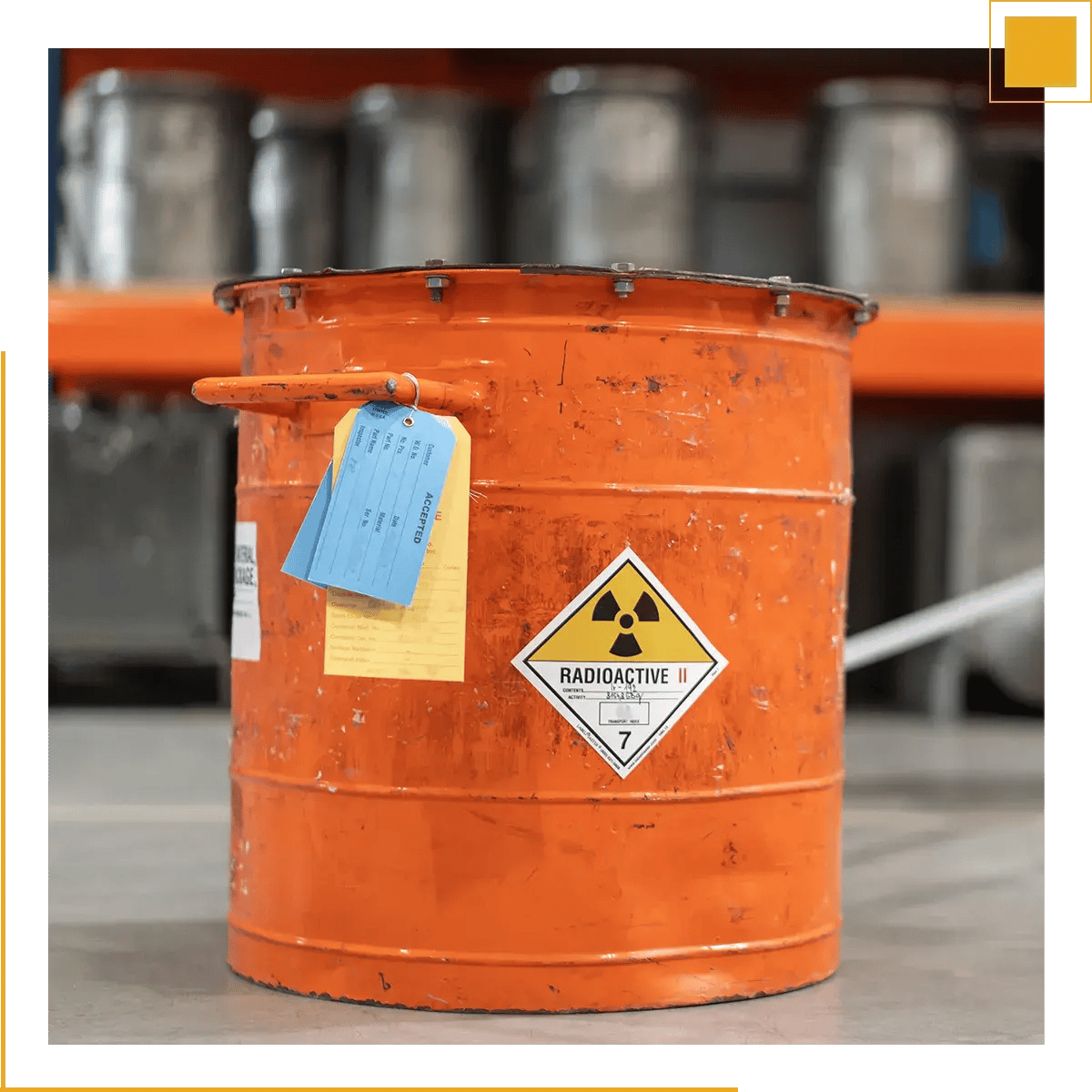
Gamma Radiography Sealed Sources FAQs
-
Does QSA Global produce gamma radiography sealed sources domestically?
Yes. QSA Global, Inc. partners with the U.S. Department of Energy (DOE) Isotope Program to produce Iridium-192 (Ir-192) domestically. Under this agreement, Oak Ridge National Laboratory (ORNL) performs the reactor irradiations to create Ir-192, while QSA Global designs the targets, manages post-irradiation processing, and encapsulates the isotope into sealed sources for industrial gamma radiography.
QSA Global also maintains a diversified international supply network for Ir-192, Se-75, Co-60, and Yb-169, ensuring radiographers worldwide have reliable, compliant, and on-time source availability. -
How does QSA Global's source availability and logistics compare to other suppliers?
QSA Global maintains the industry’s most reliable supply and delivery network. With the largest fleet of Type A and Type B(U) source changers and a diversified global supply chain, radiographers receive sealed sources quickly and without project delays.
QSA Global manages all transport and regulatory compliance steps, including packaging, documentation, and export coordination, to ensure safe, on-time delivery of Ir-192, Se-75, Co-60, and Yb-169 to customer facilities or authorized service centers worldwide. -
How do QSA Global sources compare in terms of safety and regulatory compliance?
QSA Global, Inc. designs, tests, and manufactures every sealed source to meet or exceed international safety and quality standards, including IAEA, ISO, ANSI, USNRC, and USDOT requirements. Each source uses double encapsulation and precision laser welding to prevent leakage and maintain full containment integrity under normal and accident conditions.
QSA Global conducts a rigorous quality control process and maintains Special Form Certificates for all sealed sources to confirm compliance for international transport and field use in Type A and Type B(U) containers. These measures give radiographers confidence that their equipment operates safely and meets all regulatory expectations worldwide.
-
What innovations or unique features differentiate QSA Global's sealed sources?
QSA Global designs and manufactures sealed sources that meet higher engineering and safety standards than typical industry suppliers. Its patented Se-75 alloy and capsule design improve thermal stability and mechanical strength, reducing deformation risk during operation. QSA Global also offers natural and enriched Ir-192 options that produce smaller focal sizes, sharper image resolution, and shorter exposure times.
Each source features double encapsulation, precision laser welding, and uniform pellet geometry for consistent containment integrity and repeatable image quality. These engineering standards set QSA Global apart for safety, reliability, and radiographic performance.
-
How can I access QSA Global’s regulatory and safety documentation?
Radiographers and Radiation Safety Officers can download Special Form Certificates, Type A and Type B(U) transport certificates, and device operating manuals for each model and isotope.
All documentation complies with IAEA, USNRC, USDOT, ISO, and ANSI requirements and is kept current for use in licensing, training, and compliance audits. -
What source options exist to optimize job requirements and safety zones?
QSA Global, Inc. offers Ir-192, Se-75, Co-60, and Yb-169 sealed sources to meet a wide range of gamma radiography inspection requirements. Each isotope provides distinct energy and exposure characteristics, allowing radiographers to select the right source for image quality, penetration depth, and safety zone control.
For detailed activity ranges and focal size options, visit the individual isotope pages or download the corresponding datasheets: -
I’m not sure what source focal size and activity level I need. How do I choose?
Selecting the optimal combination of focal size and activity level depends on three factors:
Material Thickness:
- Thin sections (< 40 mm): lower-energy sources (Se-75) with focal sizes around 1–3.5 mm.
- Medium sections (10–90 mm): mid-energy sources (Ir-192) with focal sizes down to 0.028 in (0.71 mm).
- Thick sections (50–150 mm): high-energy sources (Co-60) with higher-Ci options.
Defect Resolution:
Smaller focal sizes sharpen edge definition for fine flaws. Choose the smallest focal that still yields practical exposure times.Throughput Requirements:
Higher activity cuts exposure time but adds shielding and handling considerations. Balance speed against field logistics and dose limits.Use these guidelines as a starting point. Our technical experts can refine your selection with precise focal, activity, and isotope recommendations tailored to your specific inspection setup.
-
What sealed source customizations are available?
QSA Global manufactures sealed sources in a range of activities, focal sizes, and encapsulation designs to meet specific radiographic requirements. Customers can request custom activity levels, special focal geometries, or unique encapsulation formats to optimize image quality, exposure time, and safety conditions for their equipment and inspection environment.
-
How do we safely unload and reload QSA Global's sealed sources?
Trained and authorized technicians load and unload sealed sources using QSA Global source changers. The source capsule connects to a transfer tube inside the source changer, which guides the source safely between the storage container and the exposure device without direct handling.
The capsule, connector, and source changer maintain full shielding and containment throughout the process, meeting ANSI N432, ISO 3999, and IAEA SSR-6 safety standards.
-
What documentation accompanies a source delivery?
Each QSA Global sealed source delivery includes the required regulatory, safety, and identification documents to support safe handling and compliance.
Typical documentation includes:
- Special Form Certificate verifying the source’s transport and containment integrity
- Leak Test Certificate confirming the source meets regulatory safety requirements
- Isotope Identification Label and Serial Number Record for traceability
- Transport Certificate (Type A or Type B(U), as applicable)
- Operating and Maintenance Manual for the associated source changer or device
All documentation complies with IAEA, USNRC, and USDOT transport and safety regulations.
-
What reliability and performance guarantees come with QSA Global sealed sources?
QSA Global manufactures sealed sources under strict quality assurance programs that meet ANSI, ISO, IAEA, and USNRC requirements. Each source undergoes comprehensive testing for leak-tight integrity, encapsulation strength, isotope purity, and activity verification before release.
Every sealed source is backed by QSA Global’s certificate of conformance and special form approval, confirming compliance with international transport and safety standards. QSA Global maintains detailed traceability records for each source, ensuring consistent performance and accountability across its service life
-
What support does QSA Global offer (including source retrievals)?
QSA Global, Inc. provides full lifecycle support for sealed sources and radiography equipment, including source loading, unloading, exchange, and retrieval services.
Authorized QSA Global technicians and service centers handle:
- Source retrievals and recovery of disconnected or stuck sources
- Routine maintenance and inspection of source changers and projectors
- Training for safe source handling and regulatory compliance
- Technical support for licensing, documentation, and transport requirements
Support is available through QSA Global’s worldwide network of authorized service centers and trained field personnel, ensuring rapid response and full regulatory compliance.


Explore More About Radiography Sealed Sources
-
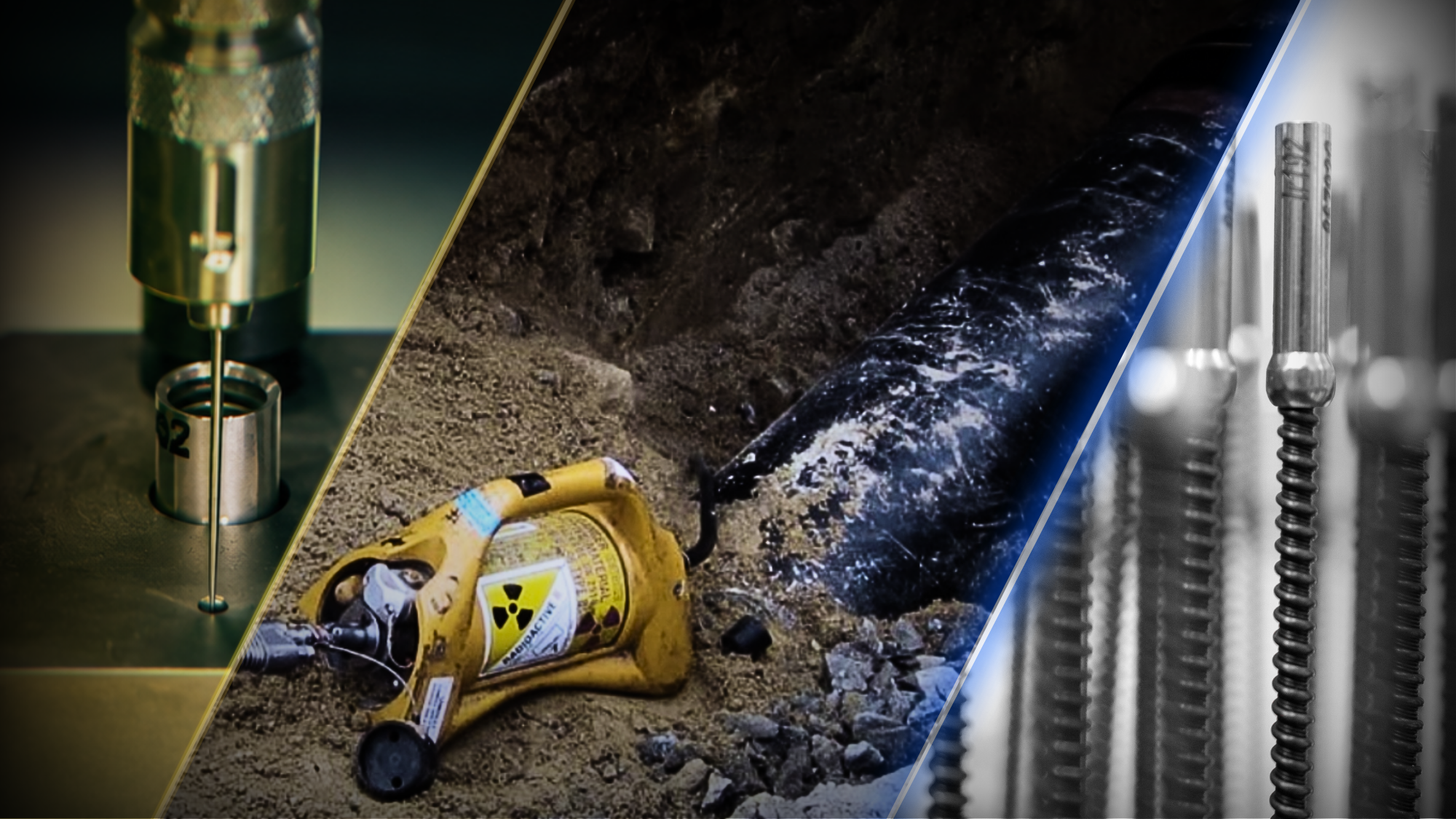
DOE Strengthens Domestic Supply Chain for American Energy and Manufacturing with Iridium-192
The U.S. Department of Energy (DOE) Office of Isotope R&D and Production (IRP), within the Office of Science, has announced the successful ...
-
The Importance of Maintaining Your Co-60 Sources
Cobalt‑60 (Co‑60) exposure devices used in industrial radiography are engineered for long‑term operation and reliability. While many devices and ...
-
QSA Global and DOE Partner to Ensure Stable, Domestic Ir-192 Supply
The U.S. Department of Energy (DOE) Isotope Program and QSA Global, Inc. have ...
-
7 Questions to Ask Before Buying Ir-192
Buying Iridium-192 (Ir-192) sealed sources for your gamma radiography source projector is ...
Explore Sealed Sources.
Learn more about each sealed source to find the best fit for your exposure and safety requirements:
Talk to a Source Expert.
Our multi-disciplined technical experts are ready to help you select the right sealed sources, activity ranges, and focal sizes for your exposure, safety, and regulatory requirements.